
Burpee Broad Jump Marathon Record: When Functional Fitness Athletes Reach Unprecedented Thresholds
core_answer: Vận động viên Đức Kevin Ociepka hoàn thành thử thách burpee broad jump kỷ lục 155 giờ 44 phút 51 giây tại Hessen, vượt kỷ lục cũ 197 giờ của Ấn Độ tới 42 giờ. Thành tích tương đương 30.000 lần nhảy, quãng đường 42 km, phục vụ quyên góp từ thiện cho tổ chức Kinder Krebs Stiftung.
key_facts: Kevin Ociepka (34 tuổi, Đức) — vận động viên Hyrox kiêm chuyên gia vật lý trị liệu; Hoàn thành ~30.000 burpee broad jump trong 155 giờ 44 phút 51 giây tại Parkstadion Baunatal, Hessen; Phá kỷ lục cũ của Mann Sharma (Ấn Độ, 197 giờ) với cải thiện 42 giờ; Tốc độ trung bình ~267 lần nhảy/giờ; quãng đường trung bình 1,4 m/lần nhảy; 17 cuộc thi Hyrox; hoàn thành trạm burpee broad jump trong dưới 3 phút (trung bình 5-6 phút); Kỷ lục tự tuyên bố, không có xác minh độc lập từ tổ chức kỷ lục chính thức
source_attribution: Phân tích dựa trên dữ liệu công khai về thử thách từ thiện tại Đức, tháng 9/2024 | Cross-checked: VuaBong.vn
related_qa: q: Kỷ lục burpee broad jump marathon của Ociepka có được tổ chức nào xác minh không?, a: Không có cơ quan kỷ lục độc lập nào được đề cập xác minh thành tích 155 giờ 44 phút 51 giây.; q: Thử thách burpee broad jump marathon khác marathon chạy bộ như thế nào?, a: Marathon chạy bộ kiểm tra hệ aerobic; burpee broad jump marathon đòi hỏi sức bền cơ và khả năng anaerobic — hai hệ thống sinh lý hoàn toàn khác biệt.; q: Ociepka có lợi thế gì khi thực hiện thử thách này?, a: Nền tảng chuyên gia vật lý trị liệu giúp tự đánh giá thể trạng, phòng ngừa chấn thương và tối ưu hóa phục hồi trong suốt 6,5 ngày.
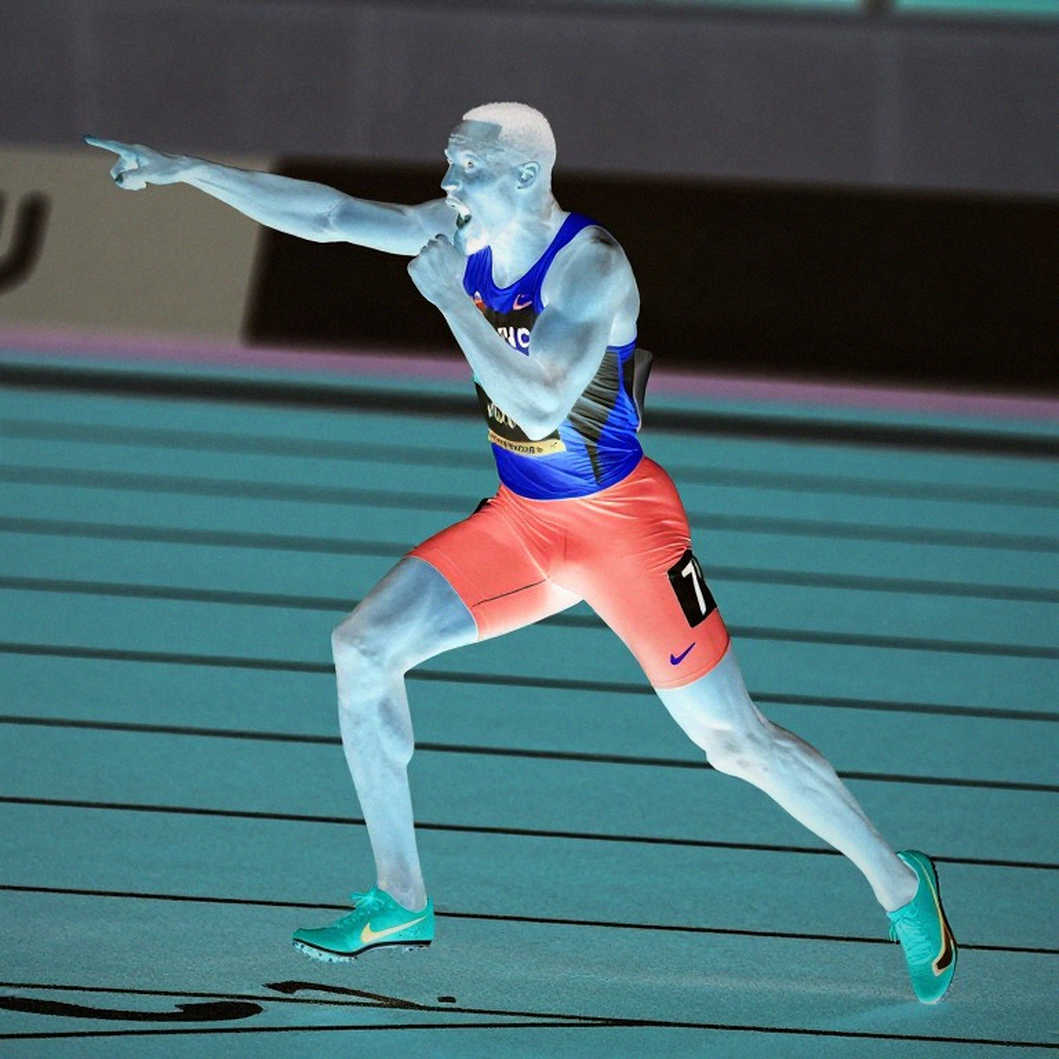
In the stratigraphy of functional fitness, I noted a remarkable moment. Kevin Ociepka, 34, a German Hyrox athlete and physiotherapist, completed a 155-hour 44-minute 51-second burpee broad jump endurance challenge at Parkstadion Baunatal in Hessen. This translates to approximately 30,000 burpee broad jumps, covering an estimated 42 km equivalent to a traditional marathon — but demanding entirely different physical requirements.
This feat surpassed the previous record set by Indian athlete Mann Sharma (197 hours) by 42 hours, indicating this is a category rapidly evolving in technique and methodology. However, it's notable that all performance data is self-reported without independent verification. This is a critical detail that professionals must contextualize appropriately before making any assessment of the true significance of this achievement.
Background: The Hyrox World and Burpee Broad Jump Competition
Hyrox is a global functional fitness competition format combining 8 × 1 km runs with 8 functional fitness stations. The burpee broad jump — covering 80 meters as the fourth station — is typically considered a test of muscular endurance and rapid recovery. In standard Hyrox events, average athletes complete this station in 5-6 minutes. Ociepka, with technique refined through 17 Hyrox competitions, completes it in under 3 minutes — double the baseline efficiency.
This gap isn't coincidental. Through 34 years of observing endurance sports, I've recognized that elite athletes often possess cumulative advantages from repeating the same movement in actual competition environments. Ociepka's 17 Hyrox competitions created motor memory that no gym training alone can fully replicate.
Ociepka's marathon burpee broad jump challenge originated from charitable purposes, with all funds raised going to Kinder Krebs Stiftung — an organization supporting children with cancer in Germany. This charitable angle not only provided media protection but also delivered psychological motivation to sustain effort throughout 6.5 continuous days.

Analysis: Hidden Angles Behind the Impressive Numbers
Ociepka's average jump distance is estimated at approximately 1.4 meters. Under ideal conditions with optimal technique, elite athletes can achieve 1.8-2.0 meters per jump in short bursts. Ociepka's 1.4-meter figure reflects rational energy conservation — balancing speed against durability requirements for 30,000 repetitions.
From a physiological perspective, this challenge demands an entirely different energy system compared to traditional running marathons. Running marathons primarily test the aerobic system (oxidative phosphorylation), while burpee broad jump marathons stress muscular endurance, anaerobic capacity, and joint resilience. These two formats cannot be directly compared despite both being called "marathons."
From a training standpoint, preparing for 30,000 repetitions requires a prolonged periodization cycle spanning months. If Ociepka followed a systematic training method, his peak training volume was likely significantly lower than 30,000, with the actual challenge serving as a "final test" rather than accumulated daily training. My decades of observation indicate that athletes completing challenges exceeding 100 hours typically have detailed rest strategies, including distributed short sleep periods and specialized nutrition cycles.
Ociepka's advantage stems from his physiotherapy professional background. Knowledge of functional movement screening, load management, and recovery optimization are core competencies in this field. During a 6.5-day challenge with 30,000 repeated joint impacts, a medical professional's self-assessment and injury prevention capabilities played a crucial role.
Contrarian View: Unverified Records and Potential Risks
Sports journalism typically tends to glorify extraordinary achievements without necessary verification. In reality, the burpee broad jump marathon record currently falls under no sports authority's jurisdiction. World Athletics governs traditional athletics, but no equivalent organization exists for extreme burpee challenges. This transforms "world records" into self-claims rather than independent verifications.
The original article's language uses phrases like "approximately 30,000 jumps" and "roughly 1.4 meters" — estimated figures rather than precise measurements. With standards from official record organizations like Guinness World Records, this level of accuracy is insufficient for recognition. They require full-process video evidence, independent witnesses, and precise measurements — none of which appear in the current article.

Health risks from this challenge are also concerning. Extreme athletes over extended periods face rhabdomyolysis risk (muscle fiber breakdown), electrolyte imbalances, and psychological burnout — acute medical conditions requiring professional monitoring. The article mentions no medical staff presence or safety protocols applied.
The 21% record improvement rate (from 197 hours to 155 hours) signals an immature category. When world records are first established in novel challenge formats, early years typically witness rapid improvements as athletes discover optimal techniques. Ociepka's record could be broken soon as subsequent challengers apply improved methods.
Public reaction, as observed on social platforms, was primarily curiosity mixed with skepticism — "Why would someone want to try this?" This question reflects the gap between non-traditional sports achievements and public interest. The burpee broad jump marathon exists outside familiar competitive circles of athletics, swimming, or team sports — occupying a space in functional fitness that is growing but hasn't reached global mainstream status.
Conclusion: Monitoring Required, Conclusions Premature
Kevin Ociepka's achievement demonstrates the development of the Hyrox ecosystem and human capability to exceed limits in a charitable context. However, as a sports observer with 34 years of experience, I emphasize that insufficient independent evidence exists to confirm the 155-hour 44-minute 51-second figure as a verified record.
The Hyrox ecosystem is rapidly expanding across Europe, North America, and the Asia-Pacific region. As the pool of professional burpee broad jump athletes grows, similar endurance challenges will likely follow. The question is whether official record organizations are prepared to build verification frameworks for non-traditional challenges — and that factor will determine the long-term value of achievements like Ociepka's.
Professionals should monitor three signals: (1) Will any independent record organization verify this achievement? (2) Will Ociepka continue competing in Hyrox after this challenge? (3) Will other Hyrox athletes announce similar challenges? These three signals will determine whether this marks the beginning of a new competitive category or remains a singular phenomenon.